

Before TFSA became popular, when it comes to adulting, almost everyone gets handed the same advice: “Save three to six months of living expenses in an emergency fund!”
So, like a responsible adult, you set aside some cash. But where you put that safety net matters just as much as saving it in the first place. If your hard-earned emergency cash is sitting in a plain old savings account while your Tax-Free Savings Account (TFSA) sits completely empty, you’re essentially handing free money to the tax collector.
Here is why upgrading your savings strategy is way easier—and way more rewarding—than you think.
The Big TFSA Misunderstanding
First, let’s clear up a major myth. The name “Tax-Free Savings Account” might be one of the worst branding choices in Canadian history.
Calling it a “savings account” tricks people into thinking it’s just a digital piggy bank. In reality, a TFSA is more like a magic basket. You can put regular cash in it, sure—but you can also put high-interest deposits, short-term guaranteed certificates (GICs), or conservative funds inside it.
The best part? Any interest or growth your money earns inside that magic basket is 100% tax-free.
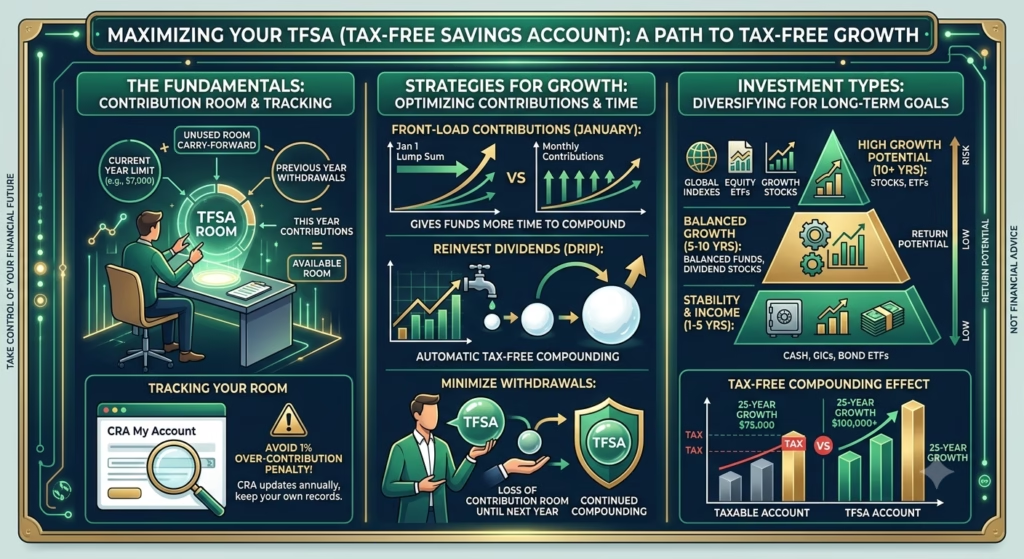
When you take money out of a standard savings account, the government wants a cut of the interest you earned at tax time. But inside a TFSA? The government gets zero. Zip. Nada.
Three Ways to Store Your Money
To keep things simple, think of your choices like three different parking spots for your cash:
- The Regular Bank Savings Account: Your standard everyday account. It’s super easy to access, but standard interest rates are usually tiny (often under 0.5%). Plus, any dollar you do make gets taxed like income.
- The Bank TFSA Cash Account: Offered by most major banks, this works just like a liquid savings account, but under the tax-free umbrella. The interest rate might still be modest, but every single cent you earn stays in your pocket.
- The TFSA Investment Basket: This is where you use your TFSA to hold low-risk, higher-yielding options like Cash ETFs or short-term GICs. It lets your emergency money earn a much better return while keeping your principal safe and completely tax-shielded.
“But What If My Car Breaks Down on a Tuesday?”
The biggest reason people hesitate to put emergency cash in a TFSA is that they worry it will be locked away in a deep vault.
Good news: TFSAs are remarkably flexible.
If your furnace blows up or your car needs a sudden $2,000 repair, you can withdraw your cash tax-free without any penalties.

Even better? You don’t lose that contribution space forever. The exact amount you withdraw gets added right back to your available limit on January 1st of the following year. Just remember the golden rule: wait until the new calendar year starts before putting that withdrawn money back in, so you don’t accidentally over-contribute!
Keep It Simple
Building financial peace of mind isn’t about getting a finance degree or monitoring stock tickers all day. It’s just about choosing the right buckets for the money you already have.
Check your available TFSA limit on your CRA portal, move your rainy-day stash over into a tax-sheltered cash or high-interest option, and let your emergency fund do its job—keeping you safe and keeping your money out of the taxman’s hands.
Get your financial score here to see how important a TFSA account can be for you.